




















Policy Brief
The 3C1D Investigative Communication Model: Rebuilding Public Trust in the Digital Era
Proposed by: Borsae Foundation Institute (BFI)
Target Audience: Policymakers, regulatory agencies, media organizations, civil society, and international partners
Policy Area: Public communication, governance, transparency, and digital society
1. Executive Summary
The rapid expansion of digital media has intensified public scrutiny, misinformation, and declining trust in institutions worldwide. Investigative communication—particularly in journalism, governance, and political accountability—often lacks a coherent framework that integrates credibility, ethical responsibility, and legal awareness. This Policy Brief introduces the 3C1D Investigative Communication Model, an interdisciplinary framework designed to guide responsible public communication and strengthen public trust in the digital era.
2. The Policy Challenge
Across democratic and transitional societies, public communication increasingly faces structural challenges:
- Fragmented information environments and rapid dissemination of unverified content
- Declining credibility of public institutions and media actors
- Disclosure of sensitive information without adequate assessment of social and legal consequences
These challenges demonstrate the absence of a standardized framework that balances transparency with responsibility, accountability, and public interest.
3. Policy Proposal: The 3C1D Model
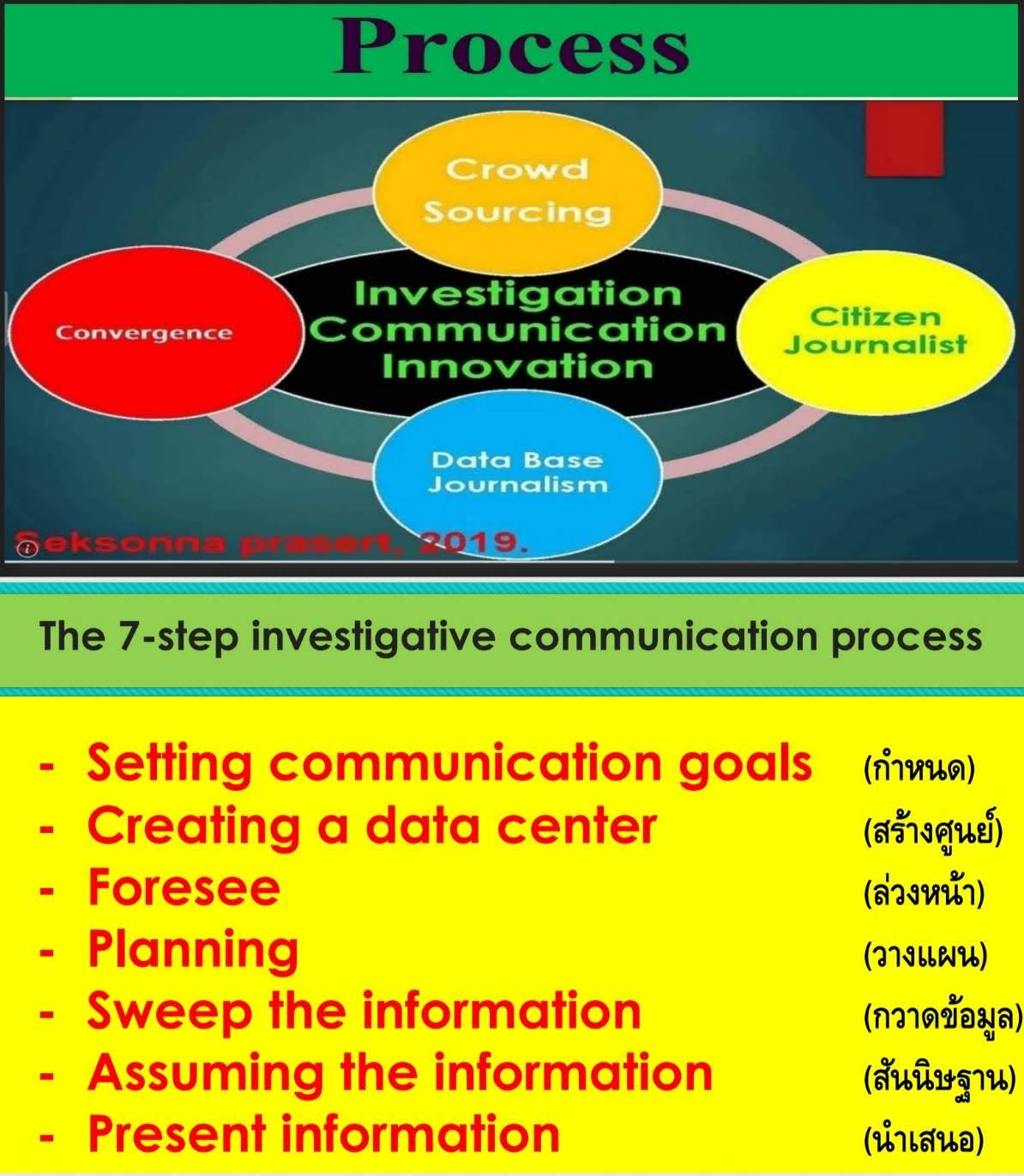
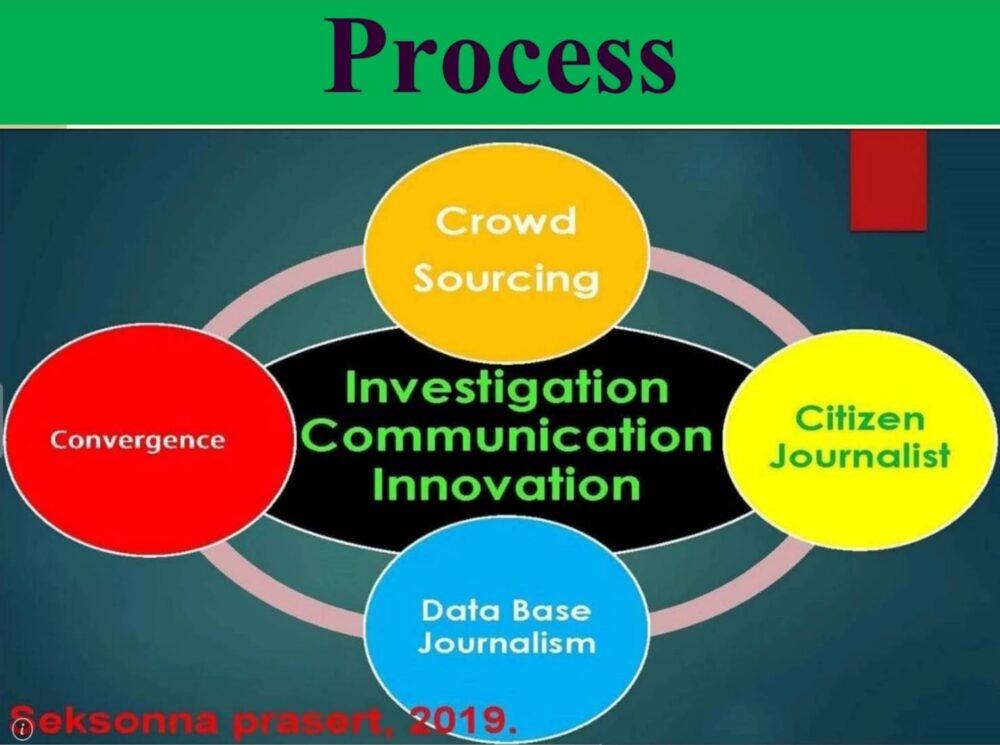
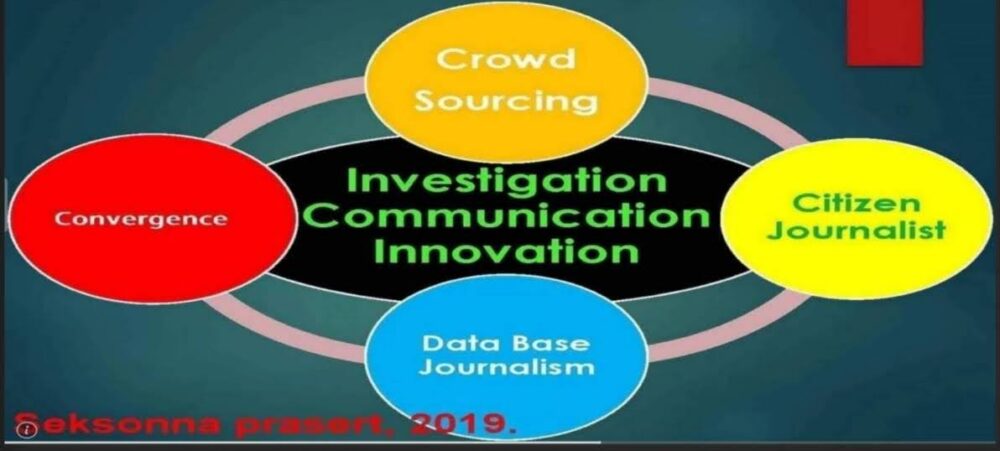
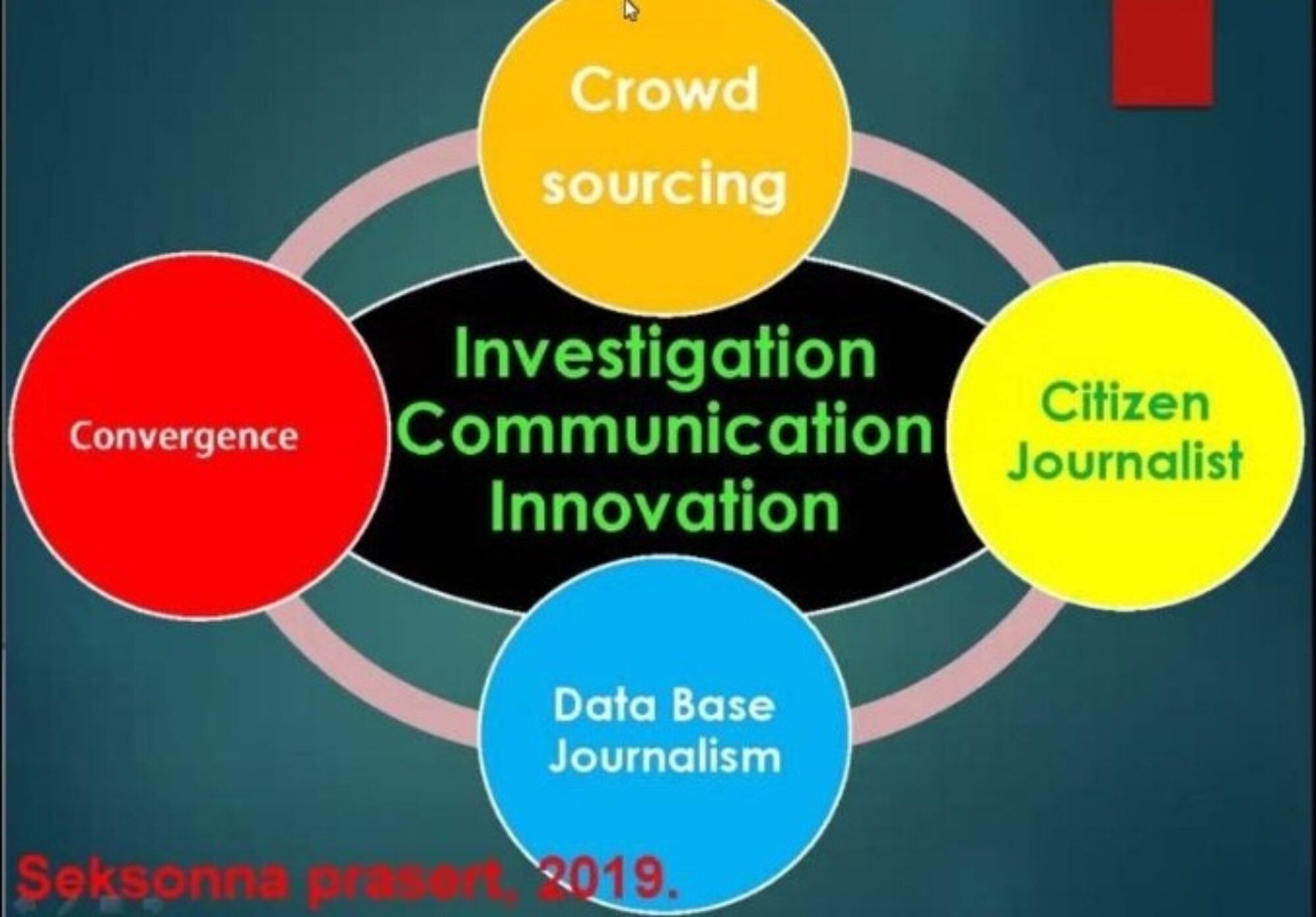
The 3C1D Model provides a practical and normative framework for investigative communication, consisting of four integrated components:
- Context: Understanding the social, cultural, political, and legal environments surrounding information.
- Credibility: Ensuring reliable sources, verification processes, and institutional accountability.
- Consequence: Anticipating and evaluating potential social, political, and legal impacts of information disclosure.
- Disclosure: Transparent, ethical, and lawful release of information guided by public interest.
Together, these elements form a cyclical process that promotes responsible disclosure and reinforces public trust.
4. Policy Implementation Pathways
To operationalize the 3C1D Model, this Policy Brief recommends the following actions:
- Institutional Adoption: Integrate 3C1D principles into public communication guidelines of government agencies, independent bodies, and international organizations.
- Capacity Building: Develop training programs for public officials, journalists, and communication officers based on the 3C1D framework.
- Regulatory Alignment: Encourage alignment between freedom of information, data protection, and ethical communication standards using the 3C1D model as a reference.
5. Expected Outcomes
The implementation of the 3C1D Model is expected to yield:
- Enhanced public trust in institutions and media organizations
- Reduced social polarization arising from contested information
- Improved transparency and accountability consistent with democratic governance
6. Strategic Implications for Global Governance
Beyond communication practices, the 3C1D Model can function as an ethical governance framework applicable to crisis communication, anti-corruption initiatives, and public-sector transparency. The model is adaptable across political systems and cultural contexts, making it relevant for international organizations and cross-border cooperation.
7. Policy Conclusion
This Policy Brief recommends the adoption of the 3C1D Investigative Communication Model as a global reference framework for responsible public communication. By integrating contextual awareness, credibility, consequence assessment, and ethical disclosure, the model contributes to rebuilding public trust—a Policy Brief
References (APA Style)
Boonmee, T. (2019). Society and the power of communication. Bangkok: Chulalongkorn University Press.
Chantavanich, S. (2018). Qualitative research methods in social sciences. Bangkok: Chulalongkorn University Press.
Kasetsiri, C. (2020). Knowledge, power, and the politics of communication. Journal of Social Sciences, 32(2), 1–20.